What vegetables are the most protein-dense?
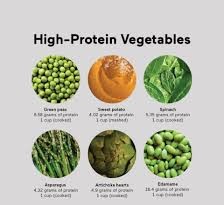
Some of the most protein-rich vegetables are green peas (20.43g per 100g), Brussels sprouts (4.26g per 100g), broccoli (4.00g per 100g), oyster mushrooms (19.04g per 100g), and collard greens (3.63g per 100g). These vegetables provide good protein sources along with other essential vitamins, minerals, and fibre.
Are vegetables adequate on their own to provide the required proteins?
While protein-containing vegetables may help meet daily protein requirements, they often lack one or more essential amino acids in adequate quantities.
Accompanying them with legumes, nuts, seeds, dairy, meat, or whole grains helps overcome such protein imbalance. A balanced diet based on plants and other food groups can effectively meet protein requirements.
In what ways can one integrate protein-containing vegetables into meals?
Green peas can be added to rice, broccoli and Brussels sprouts can be stir-fried, and mushrooms can be used in soups, sabjis and curries. Protein-packed such as spinach can be blended into smoothies, collard greens can be tossed into salads, and cauliflower can be roasted as a side dish.
You can also try roasted jackfruit seeds as เล่นบาคาร่า UFABET เว็บตรง ค่าคอมสูง snacks, and baked yam chips, makhana chaat, and makhana dessert/ sweets. When combined with other protein sources, these vegetables also help improve nutrition and diversity in the diet.
Even though most offer moderate amounts of protein.
Some are exceptional protein sources. Green peas, brussels sprouts, broccoli, mushrooms, and collard greens provide an excellent source of protein and other essential vitamins, minerals, and fibre.
Incorporating these into your diet may aid in achieving your overall health goals alongside your daily protein intake. You can boost your protein intake by combining protein-rich with legumes, nuts, seeds, or dairy. These can be great additions to a balanced diet, but it is best to combine with a wholesome meal plan.